
Anglesey Circuit Rider Guide: Elevation, Rhythm and Coastal Weather
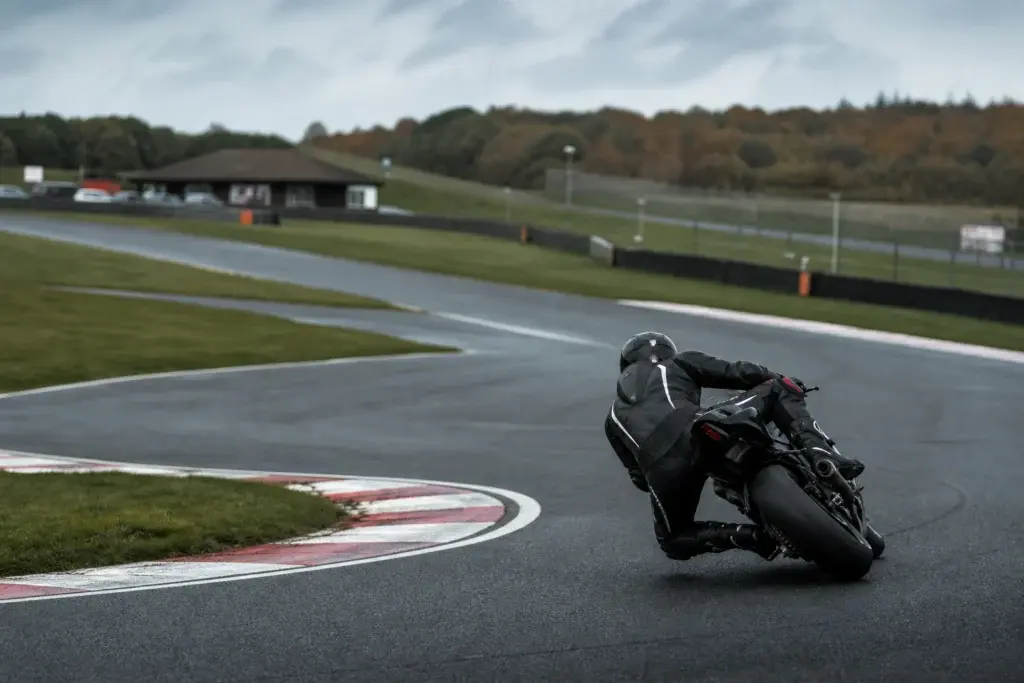
Anglesey Circuit, or Trac Môn, makes a strong first impression before a motorcycle has completed a lap. The venue sits on the west coast of Anglesey, the landscape is open, and the track rises and falls rather than disappearing into a flat airfield. That setting gives the circuit visual drama, but the useful lesson for a rider is more practical: changing elevation, camber and direction keep asking for attention.
This is a rider-focused overview, not a line guide. It does not prescribe gears, speeds, tyre pressures or braking markers. Layouts, weather, motorcycles and event rules differ, so the organiser’s current briefing, flag signals and qualified instructors always take priority.
Several layouts change the problem
Anglesey can run more than one configuration. The International circuit stretches the lap and creates a different rhythm from the shorter Coastal layout, while National and Club options serve other events. Confirm the exact configuration before studying a map or video. Notes made for one version can become actively confusing when the event uses another.
The circuit’s own information describes a 12-metre-wide track shaped around an undulating landscape, with fast sections, medium-speed corners, a hairpin and a banked corner. That variety is the point. A rider has to recognise when the task has changed instead of carrying the same approach from one section into the next.
Elevation changes what the eyes receive
A crest can shorten the view ahead; a descent can reveal more road while also changing the sense of speed. Riders who stare at the nearest strip of tarmac often feel late even when there is physical space available. A calmer approach is to keep the eyes moving, accept that the complete picture may arrive in stages and avoid inventing a reference that has not yet become visible.
Use sighting laps to learn what can be seen from each approach. If a section remains unclear, reduce the workload and ask an instructor to help. Trying to solve uncertainty by adding speed is the wrong trade.
Camber and direction reward deliberate inputs
Anglesey’s shaped corners can feel supportive in one place and unfamiliar in another. The correct response is not to chase a single heroic lap. Build repeatability: arrive with the motorcycle settled, complete one input before stacking on the next, and notice where tension makes steering less accurate.
The circuit includes named sections such as Rocket, Peel, Church and the Corkscrew, but memorising names is not the same as understanding the sequence. Divide the lap into manageable groups. Review one group at a time between sessions and record observations in plain language that will still make sense later.
Coastal weather belongs in the plan
An exposed coastal venue can present wind, showers and rapid changes in light. Check the forecast, then arrive prepared for the forecast to be incomplete. Waterproof outer layers for the paddock, spare dry base layers, secure shelter and a sensible way to protect paperwork and electronics can make the day less distracting.
On track, conditions are interpreted through the organiser and marshals. Do not assume that yesterday’s grip or a friend’s tyre setting applies. If the weather changes, allow the session to become a fresh assessment instead of continuing the previous pace by habit.
Use travel time as part of preparation
For many riders, Anglesey is a longer journey than their nearest circuit. Fatigue can begin before sign-on if travel, accommodation, fuel and food are improvised. Plan the route, check arrival instructions and leave margin for delays. Riding a motorcycle home after a demanding day also deserves an honest energy assessment.
A checklist should cover documents, approved riding equipment, tools permitted by the organiser, hydration, food and ordinary clothing for time away from the bike. Casual track clothing can be comfortable in the paddock, but it is not protective motorcycle equipment.
Make each session answer one question
Anglesey offers enough variety that a vague ambition to “go faster” quickly becomes noisy. Give a session one learning purpose: smoother vision over elevation, calmer transitions, better use of recovery time or more consistent preparation for a linked sequence. A narrow question makes debriefing useful.
Write down what changed, not just the lap time. If the motorcycle felt easier to place, if breathing remained relaxed or if a problem appeared in the same location repeatedly, those observations can guide the next conversation with an instructor.
Respect the venue beyond the circuit
Follow noise limits, access instructions and paddock rules exactly as issued for the event. Keep warm-up noise and unnecessary revving under control, dispose of waste correctly and avoid blocking working areas. The circuit’s relationship with its neighbours and environment matters to the future of activity there.
Anglesey’s scenery is part of its appeal, but it should not distract from briefings, flags or the people moving through the paddock. Enjoy the setting when the motorcycle is parked and give the riding task full attention when the session begins.
The lasting lesson from Trac Môn
Anglesey rewards adaptability. The layout, elevation and exposed location make it difficult to rely on one fixed rhythm, which is precisely why thoughtful riders value it. The best progress comes from observing what the circuit is asking, reducing avoidable workload and building speed only on top of understanding.
For the clothing inspired by the venue, visit the Anglesey motorcycle clothing and circuit page. Check the live organiser information before every visit, even if you have ridden there before.
Explore the collection: See the Anglesey motorcycle clothing page for the matching hoodie, T-shirt and available accessories.